
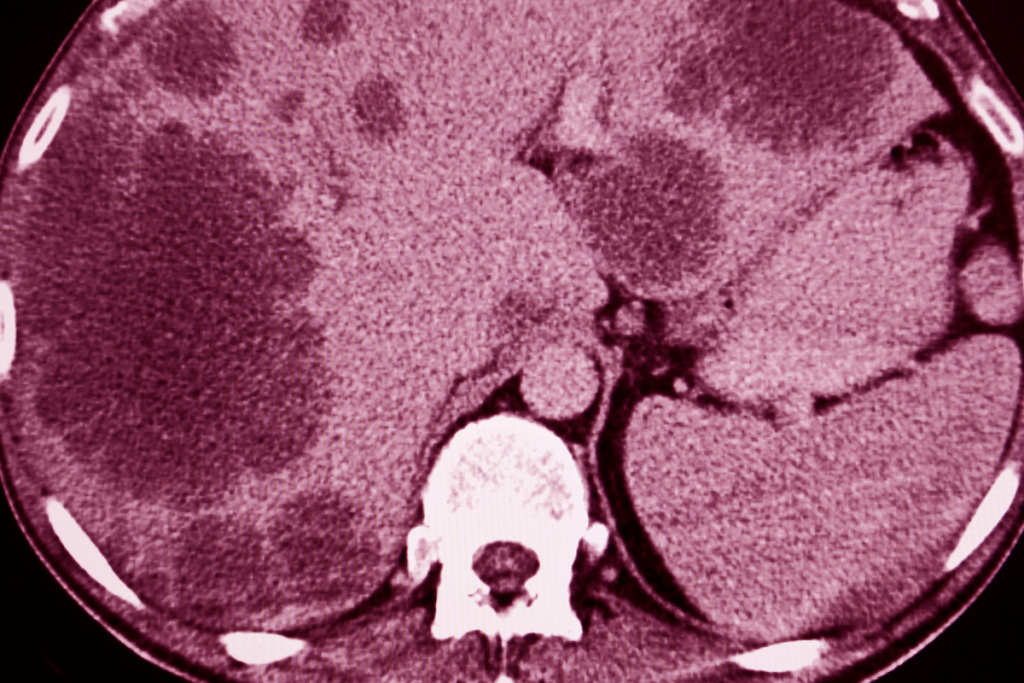
CAR-T cell therapy (Chimeric Antigen Receptor T-cell) represents a remarkable breakthrough in modern oncology, with significant results in hematological cancers such as leukemias and lymphomas. This technique relies on the genetic modification of T lymphocytes to recognize and destroy tumor cells in a targeted manner.
However, when it comes to solid tumors, the results are less promising due to a series of biological and structural barriers. Solid tumors present a highly complex and hostile microenvironment, which limits the penetration, activation, and efficacy of CAR-T cells.
The good news is that recent advances in biomaterials are opening new possibilities to overcome these challenges, enhancing the potential of immunotherapy in solid tumors.
This article explores the difficulties faced by CAR-T therapy in the context of solid tumors, the different types of biomaterials being studied as support tools, and the most promising strategies for integrating these approaches into cancer treatment.
What is CAR-T cell therapy?
CAR-T therapy involves collecting a patient’s T cells, genetically modifying them to express chimeric antigen receptors (CARs), and reinfusing these cells into the body. CARs are engineered to recognize specific tumor antigens, triggering a potent cytotoxic response.
This treatment has already shown high response rates in hematological cancers such as acute lymphoblastic leukemia (ALL) and diffuse large B-cell lymphoma. The clinical approval of commercial products like Kymriah® and Yescarta® reinforces the potential of this approach.
However, the successful application of CAR-T therapy in solid tumors remains limited due to structural and immunological barriers specific to this type of cancer.
Challenges of CAR-T therapy for solid tumors
– Immunosuppressive tumor microenvironment
One of the main challenges is the tumor microenvironment (TME), which promotes local immunosuppression through regulatory T cells, tumor-associated macrophages (TAMs), tumor-associated neutrophils (TANs), inhibitory cytokines like TGF-β and IL-10, among other factors. This reduces the efficacy of CAR-T cells after they infiltrate the tumor.
– Physical barriers
The dense extracellular matrix (ECM) prevents efficient penetration of CAR-T cells into the tumor core. This physical barrier not only restricts immune cell access but also hampers the delivery of drugs and nutrients.
– CAR-T cell exhaustion
T cells can become dysfunctional after prolonged exposure to the hostile tumor environment. This phenomenon, known as cellular exhaustion, is characterized by the expression of inhibitory molecules such as PD-1 and LAG-3.
– Antigenic heterogeneity
Unlike hematological cancers, solid tumors often exhibit antigenic heterogeneity, meaning not all tumor cells express the same target marker. This increases the risk of immune evasion and relapse.
Biomaterials as allies in CAR-T therapy
The role of biomaterials in immunotherapy
Biomaterials are synthetic or natural substances that can be designed to interact safely and functionally with biological systems. In the context of immunotherapy, they can be used to:
– Protect CAR-T cells
– Enhance tumor infiltration
– Promote sustained activation
– Modulate the tumor microenvironment
Biomaterials can take various forms, such as hydrogels, nanoparticles, scaffolds, and controlled-release systems.
Biomaterial-based strategies
Immunomodulatory hydrogels
Hydrogels are three-dimensional polymer networks that absorb large amounts of water and allow the incorporation of living cells, proteins, or other bioactive molecules. They can be injected directly into the tumor site, creating an artificial immune niche that promotes CAR-T cell activation.
Benefits of hydrogels:
– Localized and controlled release of cells
– Reduced systemic side effects
– Co-delivery of cytokines like IL-15 to boost cell activity
In preclinical models, hydrogels loaded with CAR-T cells have shown increased tumor penetration and antitumor response, as well as greater cell persistence.
Nanoparticles for gene delivery and immunomodulation
Nanoparticles can be used to:
– Deliver CAR genes directly to T cells in vivo
– Transport small molecules or immunomodulatory proteins
– Reprogram the tumor microenvironment
This approach reduces the dependency on specialized laboratories, enabling in situ production of CAR-T cells — a major logistical and cost advantage.
Nanoparticles made from lipids, polymers, or metals (such as gold) have been studied to ensure targeted and controlled release of therapeutic agents.
Implantable scaffolds
Three-dimensional biodegradable scaffolds can be implanted in tumors and loaded with CAR-T cells and immunological factors. These devices function as “local factories” of immune activation.
Advantages of scaffolds:
– Provide a supportive microenvironment for CAR-T cell proliferation and activation
– Recruit other immune system cells
– Sustainably enhance the local immune response
Studies have shown that these structures significantly improve antitumor efficacy in murine models, with prolonged responses and lower systemic toxicity.
Integrating biomaterials with new CAR generations
New generations of CAR cells incorporate advanced technologies such as:
– pH sensors for selective activation in acidic tumor environments
– Molecular switches to turn CARs on or off
– Multi-antigen CARs capable of recognizing more than one tumor marker
These technologies can be integrated with biomaterials to create synergistic systems. For example, a hydrogel could selectively release cytokines or checkpoint inhibitors in response to specific tumor signals, optimizing CAR-T performance.
Recent scientific advances
Several recent studies highlight the relevance of combining biomaterials with CAR-T therapy:
– Song et al. (2025) analyzed biomaterial-assisted approaches in depth and demonstrated how these tools enhance CAR therapy effectiveness in solid tumors.
– Grosskopf et al. (2022) showed that an injectable hydrogel containing IL-15 promotes greater infiltration and activation of CAR-T cells.
– Agarwalla et al. (2022) reported that bioinstructive scaffolds can accelerate the generation and release of CAR-T cells in vivo, with strong antitumor effects.
These findings point to a new era in cancer immunotherapy, where biomaterials not only support but amplify the effects of cell-based therapies.
Regulatory and ethical considerations
As new therapeutic strategies emerge, so do regulatory challenges. The use of biomaterials in humans requires:
– Rigorous clinical trials
– Assessment of biocompatibility and safe material degradation
– Monitoring of undesired immune responses
The convergence of cell therapy and biomaterials demands collaboration among scientists, engineers, clinicians, and regulators to ensure safety and efficacy.
Future perspectives for biomaterial-supported CAR-T therapy
The future of CAR-T therapy for solid tumors lies in integrated approaches involving:
– Smart delivery systems based on physiological stimuli (pH, enzymes, temperature)
– Personalization of biomaterials according to the tumor’s genetic and immune profile
– Combination with other therapies, such as checkpoint inhibitors, radiotherapy, and microbiome modulation
Additionally, the incorporation of digital technologies for biomaterial modeling and clinical outcome prediction is expected to accelerate the development of customized solutions.
Potential advances with biomaterials
Although CAR-T therapy has achieved extraordinary success in hematological cancers, its application in solid tumors still faces major barriers.
Fortunately, advances in biomaterials offer powerful tools to overcome these limitations.
By acting as delivery platforms, activation environments, or tumor microenvironment modulators, biomaterials are reshaping the landscape of cancer immunotherapy.
Integrating these approaches represents one of the most promising pathways to make CAR-T therapy effective even in the most complex oncological cases.
The future points to increasingly smart, personalized, and accessible solutions — and biomaterials will undoubtedly play a central role in that transformation.
References:
-
Song, Y., et al. (2025). Chimeric Antigen Receptor Cells Solid Tumor Immunotherapy Assisted by Biomaterials Tools. ACS Applied Materials & Interfaces, 17(7), 10246–10264.
-
Grosskopf, A. K., et al. (2022). Delivery of CAR-T cells in a transient injectable stimulatory hydrogel niche improves treatment of solid tumors. Science Advances, 8(15), eabj6906.
-
Agarwalla, P., et al. (2022). Bioinstructive implantable scaffolds for rapid in vivo manufacture and release of CAR-T cells. Nature Biotechnology, 40(9), 1341–1350.
-
Lin, Y., et al. (2024). Recent advances in biomaterial designs for assisting CAR-T cell therapy towards potential solid tumor treatment. Nanoscale, 16, 3226–3242.